Destroyer classes explained
A destroyer class is a group of warships built from a single approved design, and the Royal Navy destroyer classes that anchor this reference are the Royal Navy's own line of fleet and escort destroyers, from the 1942 Tribal class to the Type 45 Daring class.
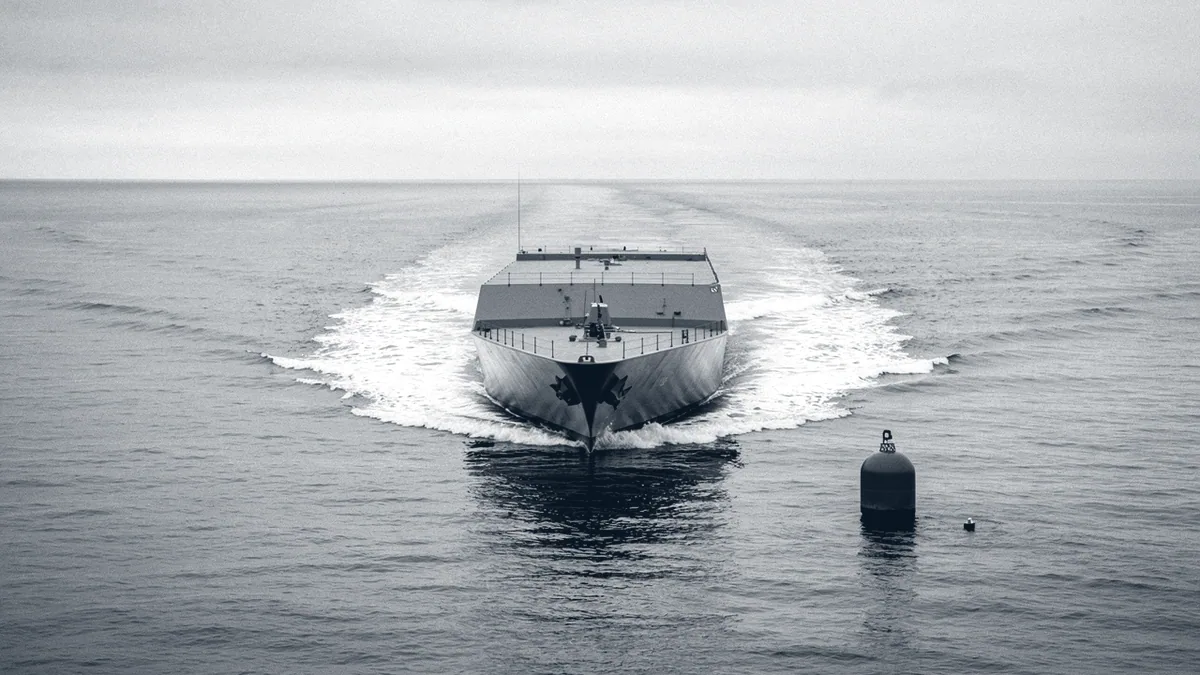
The term "destroyer class ship" names one member of such a group: a destroyer of a particular class, such as HMS Scaphis of the Tribal class or HMS Daring of the Type 45 Daring class. Classes exist because a single design, once proven, is built in a series so that hulls, machinery and armament stay interchangeable. This page traces how Royal Navy destroyer classes form, how their ships earned their names, and where a crew member's association with a particular vessel is recorded.
What makes a destroyer a class
What makes a destroyer a class is a shared design rather than a shared name. A class groups ships that were laid down to the same plans, so that hull lines, propulsion and the layout of the deck superstructure match ship for ship. The grouping is a matter of design lineage, not of rank or role alone. A class carries one design number or type designation, and every ship in the series borrows that designation into its hull number or pennant number. When a navy retires a class and orders a replacement, the new ships form a new class even if they look similar to their predecessors.
The Royal Navy has run this pattern for well over a century. Its destroyer lineage runs through distinct design families, from the early V and W classes built in the First World War to the Tribal, Captain and Type 45 classes that followed. Each class introduced a step in displacement, armament and endurance, and each retired class is remembered as a block of ships with a shared story. The class is the unit historians and record keepers work in, which is why "which class was this ship" is a first question for anyone tracing a vessel.
How Royal Navy destroyer classes are numbered and grouped
How Royal Navy destroyer classes are numbered and grouped follows two parallel conventions that run side by side. Older classes took a letter or a name, such as the V class, W class, Tribal class and Captain class. Newer classes take a Type number, such as the Type 45, which carries the name of its lead ship, the Daring class. The pennant number on the bow marks the individual ship, while the class name marks the family it belongs to.
The Type 45 Daring class illustrates the modern convention in full. The class comprises 6 ships, from lead ship HMS Daring through HMS Daring's sister ships to the final build, and each carries a pennant number in the D series. The class was built around a single air defence design, the SAMPSON radar and the Sea Viper missile system, so that every ship in the group carries the same sensor and missile fit. Grouping by Type number keeps the whole family identifiable even as pennant numbers change with refit and transfer. This is the same logic the Royal Navy applied to the earlier Tribal class, except expressed in a number rather than a word.
Ship-name etymology in the destroyer line
Ship-name etymology in the destroyer line follows a naming rule that differs from the rest of the fleet. Capital ships and cruisers traditionally carry proper names, but destroyers carry names drawn from a single family of short, evocative words. The Royal Navy has long assigned to its destroyers names of rivers, coastal features, and words that suggest speed or action, and each class tended to draw its names from one such pool. The Tribal class, for instance, took its ship names from the names of British regiments, a deliberate nod to the army, while the Daring class drew on words that express resolve and readiness.
The etymology of a name matters to record keepers because the same name can be reused across decades, and the class tells you which vessel is meant. A ship called "Greyhound" in one era and another vessel reusing a similar name in a later era are distinguished by their class, their pennant number and their year of commission. When a crew member searches for a record, the class name is the key that separates one namesake from another. Names are also where the Royal Navy marks continuity: a pennant number or a class name can be carried forward, so that the identity of a ship survives even when the steel is gone. This is the thread that connects naming to the crew records described below.
Crew-association records for a destroyer
Crew-association records for a destroyer live in three distinct registers, and knowing which register holds a given fact is most of the work. The first is the official service record, held by the national archive, which logs a sailor's postings, rates and service numbers. The second is the ship's own log and muster books, which record who was on board and where, by watch and by station. The third is the memorial and commemoration record, which ties a name to a ship and to a loss. A researcher begins with the ship's class and pennant number, then moves to the register that holds the specific fact they need.
The association is recorded at the level of the individual ship, not the class, which is why the class name is only a starting point. A service record will name the vessel and its pennant number; a muster book will name the ship and the date; a memorial will name the ship and the event. Where the same ship name was carried by vessels in different classes, the pennant number and the year of service are what remove the ambiguity. These three registers together form the complete picture of a crew member's association with a destroyer, and each is kept by a different body.
Modern destroyer classes in comparison
Modern destroyer classes in comparison show what a class is when it is also a technology program, and the clearest current example sits with the two classes that have carried the United States fleet: the Arleigh Burke class and the Zumwalt class. The Arleigh Burke class is the workhorse of the modern destroyer line, built in large numbers across multiple construction batches, with a displacement of roughly 9,000 tons full load and a standard fit of the Aegis combat system. The Zumwalt class, by contrast, is a small, stealth-oriented class of only 3 ships, built to a new design with an integrated mission deck, a displacement near 15,000 tons and a cost per ship in the multi-billion-dollar range that exceeded the program's original plan. The comparison is a comparison of class logic: the Arleigh Burke class bets on a proven, repeatable design built in volume, while the Zumwalt class bet on a single advanced design whose unit cost rose sharply enough that the program was cut short of its original build count, a case often described as the Zumwalt class being cancelled down to 3 ships. The two classes sit on the same spectrum the Royal Navy has used for its own types, and the difference between them is a difference in how a navy chooses to spend across a class.
| Class | Navy | Ships built | Full-load displacement | Defining feature |
|---|---|---|---|---|
| Arleigh Burke class | United States | 70+ across batches | about 9,000 tons | Aegis combat system |
| Zumwalt class | United States | 3 | about 15,000 tons | stealth hull, integrated mission deck |
| Typical Tribal class | Royal Navy | 11 | about 2,350 tons full load | high-speed escort design |
The table keeps the three classes on one scale, and it shows how class, build count and displacement move together. A class is never a single ship, and the spread of build counts in the table is the point: a class is defined by what is built, and what is built is a statement about the navy's choice at that time.
Where the Royal Navy line stands today
Where the Royal Navy line stands today is in the Type 45 Daring class as its current fleet destroyer, with the older Tribal and Captain classes preserved as design records and their ships' histories held in the registers described above. The Daring class continues the Royal Navy practice of pairing a Type number with a class name and a pennant number for each of its ships, so that the lineage from the V class through the Tribal to the Daring remains a single, traceable chain. For a crew member, a historian or a relative tracing a service, that chain is the map: the class names the family, the pennant number names the ship, and the records name the person.